

 |
 |
Enterprise Security Compliance Professional Certification
The Enterprise Security Compliance Professional (ESCP) Certification Badge is a recognized symbol of expertise in managing security compliance within organizations. This digital badge highlights your proficiency in key areas such as risk management, regulatory compliance, and security frameworks. By earning the ESCP badge, you demonstrate your commitment to maintaining the highest standards of security and compliance, making you a valuable asset in the ever-evolving landscape of enterprise security.
 |
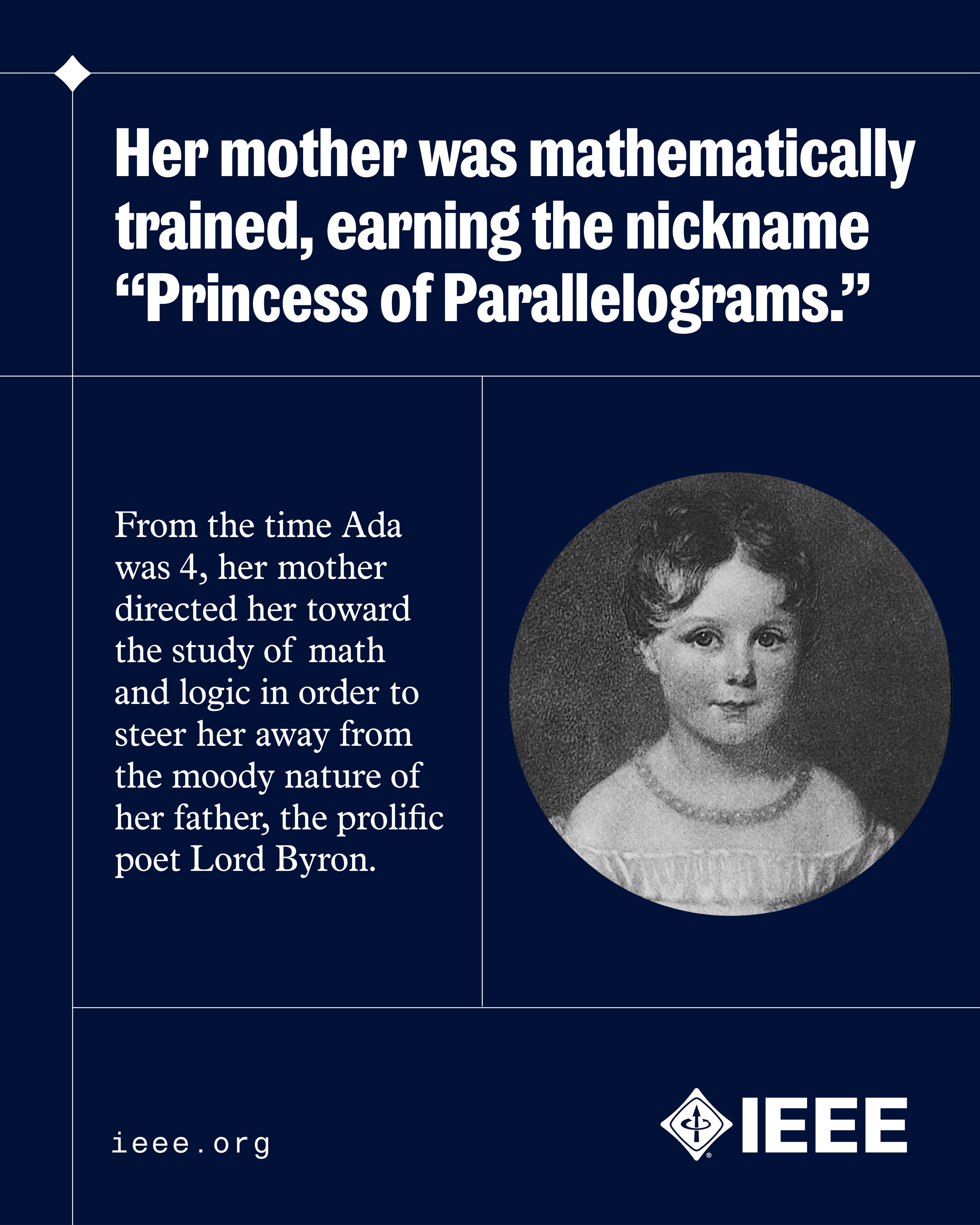 |
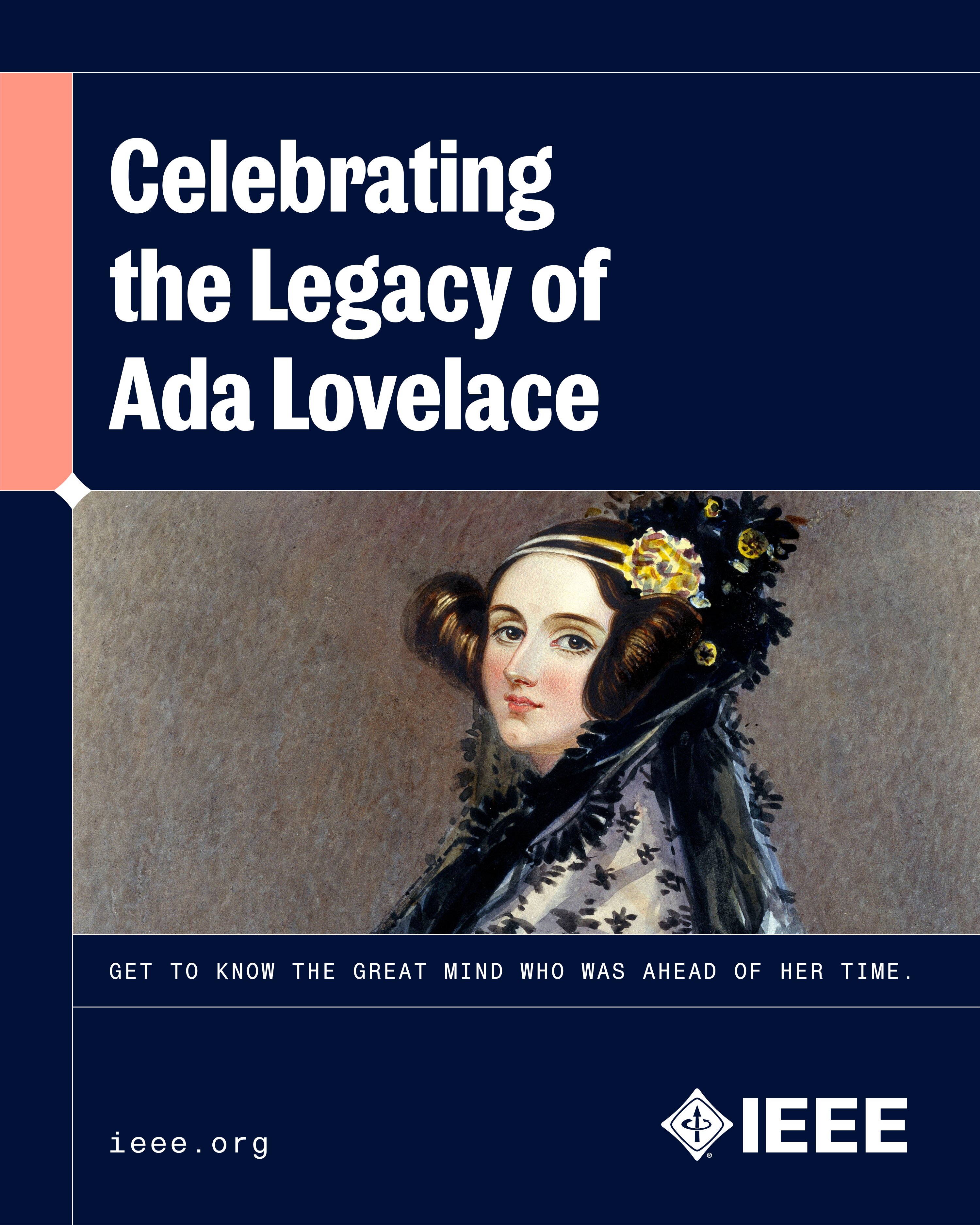
What does it take to see a technology's full potential decades before it exists?
Ada Lovelace answered that question in 1843. While her peers viewed analytical engines as calculators, she recognized something far broader: that numbers could represent symbols, such as musical notes. Her notes included what is widely regarded as the first published algorithm intended for a machine.
Her story is a testament to the life-changing achievements of women in STEM fields. Today, on Ada Lovelace Day, we celebrate their work, which shapes the world we live in, and continue to ensure the next generation sees that there’s a place for their vision.
|
Business Name |
Identifies the registered name of the online store |
|
Address Verified |
Confirms the legitimacy of the business's physical address |
|
Phone/Email Verified |
Ensures the contact information is accurate and valid |
|
IP Reputation Checked |
Indicates the trustworthiness and reputation of the IP address |
|
Domain Name |
Refers to the official and registered domain name of the website |
|
DNSSEC Feature |
Ensures DNS records are securely verified using DNSSEC protocol |
|
SSL/TLS Monitor |
Monitors the status of SSL/TLS certificates for secure connections |
|
CDN nameservers |
Identifies if the site uses a Content Delivery Network for faster performance |
|
Whois Data Shield |
Protects personal information from public exposure in Whois databases |
|
SPF-DKIM-DMARC Protocols |
Verifies the implementation of email authentication protocols to prevent spoofing |
|
SFTP Protocol Enabled |
Confirms that the site supports secure file transfers via SFTP |
|
TFA Enabled for all |
Ensures Two-Factor Authentication (TFA) is enabled for all users |
|
Root Security Compliance |
Verifies the security measures for the root domain and server |
|
Webserver Security |
Assesses the overall security configuration of the webserver |
|
Firewall Status Checked |
Indicates whether a firewall is actively protecting the system |
|
Modsecurity+OWASP |
Confirms the use of ModSecurity and OWASP rules for web application protection |
|
Malware/Spam Scanned |
Verifies if the site is regularly scanned for malware and spam |
|
Hardware DDoS Protected |
Ensures protection against Distributed Denial of Service (DDoS) attacks |
|
CMS Patched/Updated |
Indicates if the site's Content Management System (CMS) is up to date with security patches |
|
Privacy Policy Validated |
Ensures the website has a valid and compliant privacy policy |
|
TOS Validated |
Verifies the Terms of Service are legally valid and accessible |

An 800-year-old bracelet from the historical site of Astarabad (modern-day Gorgan) is considered one of the most delicate and detailed works of Iranian goldsmithing in the Middle Ages after the Tazyan invasion. Today housed in the Metropolitan Museum of Art in New York, the bracelet is made of pure gold and has a segmented design with a combination of engraved squares and delicate hemispherical pieces with lattice and ball-like decorations. Inside some of these pieces, geometric and written patterns can be seen, most likely with religious or protective themes.
The orderly and artistic structure of this bracelet, utilizing advanced techniques such as filigree and fine enamel work, demonstrates the peak of the skill of Iranian metalworkers in the sixth to eighth centuries AH. This bracelet is not only an ornamental ornament, but also a reflection of the cultural splendor and spiritual beliefs of its time. Works similar to this bracelet, which were produced in eastern Iran, especially in cities such as Neyshabur and Gorgan are now preserved as exquisite treasures in major museums around the world and are clear evidence of the continuity of Iranian goldsmithing art in the midst of historical developments.